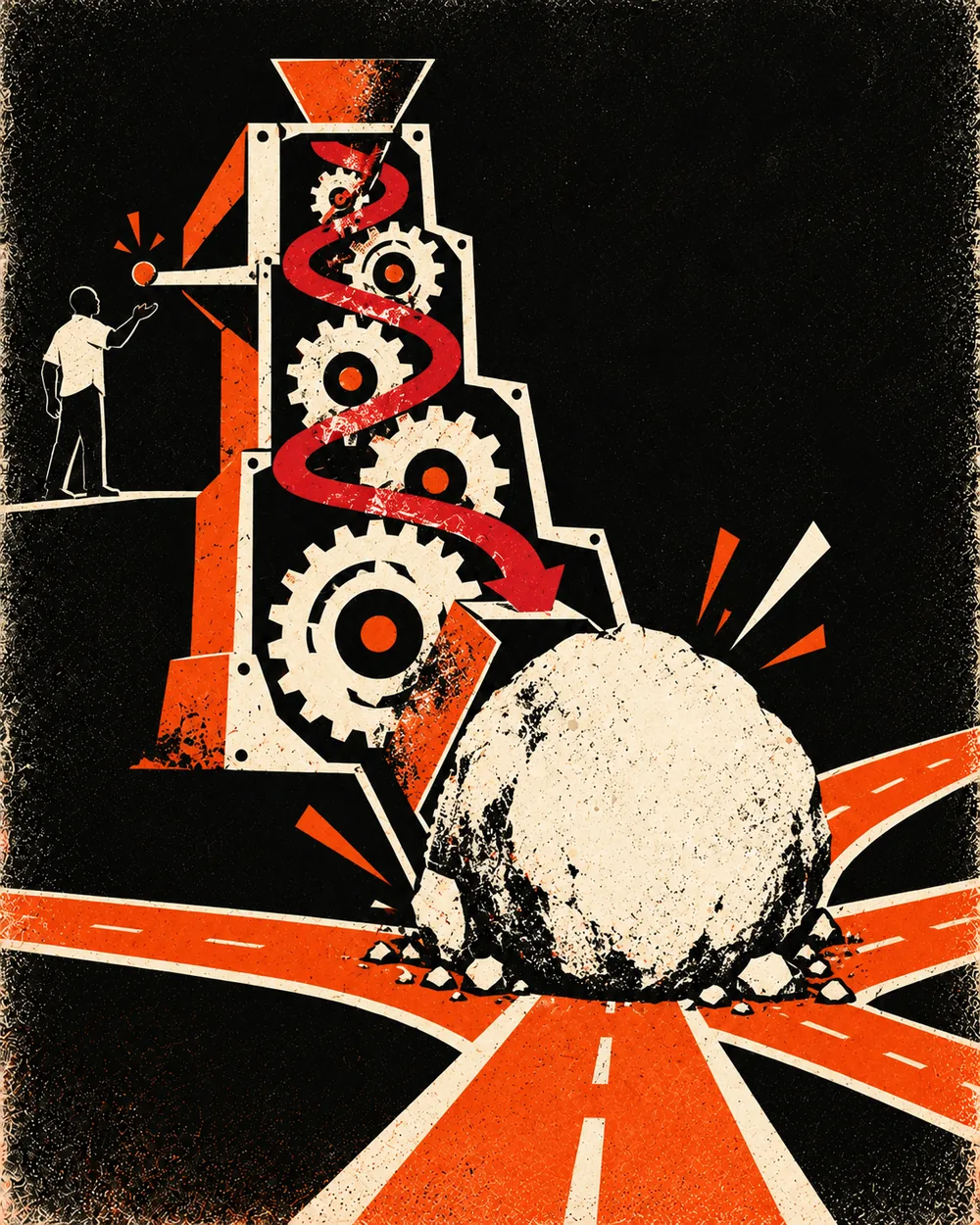
Technical debt gets a lot of attention because engineers can usually point to it. The brittle service. The duplicated logic. The outdated library. The test suite everybody is afraid to touch.
Strategic debt is harder to see. It lives in promises. Exceptions. Temporary compromises. Legacy products kept alive because nobody wants to make the call.
A customer specific feature that becomes a commercial precedent. A roadmap override that made sense this quarter and quietly changed what the product can become three years later. The dangerous thing about strategic debt is that the original decision rarely looks catastrophic.
It looks reasonable. That is how debt works.
Strategic debt starts as a local exception
Imagine a Fortune 500 prospect worth $900,000 in annual recurring revenue. They want a custom admin export before they sign. The request is commercially important. Sales is under pressure. Five business days remain before deal desk. Product can probably fit it in if everyone moves quickly.
So the organization makes an exception. That one decision may be perfectly rational. The problem begins when nobody records what kind of obligation the exception created. Now Sales has evidence that Product will customize for the right deal. The customer has a capability it expects to be supported.
Support has another workflow to understand. Engineering has another branch of behavior to maintain. Future customers can point to the precedent. A local decision has become part of the product's strategic environment. That is debt.
The interest payments are distributed
Technical debt often creates a visible engineering cost. Strategic debt is sneakier because the payments arrive in different departments. Engineering pays in maintenance and complexity. Product pays in reduced freedom to simplify. Sales pays by carrying a growing library of promises into future deals.
Support pays by learning exceptions that do not match the standard product. Design pays when one coherent experience has to accommodate years of edge cases. Leadership pays when every strategy discussion starts with a long list of things the company is “already committed to.”
Nobody receives an invoice labeled Strategic Debt. The organization simply becomes slower. More complicated. More politically constrained. More expensive to change.
That is why the debt compounds. Each decision changes the conditions of the next decision.
Yesterday's compromise becomes tomorrow's constraint
This is the part I find most important. Strategic debt does not merely consume effort. It narrows options. A product with one enterprise exception can still simplify. A product with fifty customer specific commitments may discover that simplification is now a revenue event.
A company with one legacy product can choose to sunset it. A company whose operating model, compensation plans, sales contracts, executive identities, and customer dependencies have all formed around that legacy product has a much harder decision. The future is not being chosen on a blank page.
It is being negotiated with the accumulated past. That is why small strategic compromises deserve more respect than they usually receive. They can become path dependent. You do not just have to decide what is best now. You have to decide what the current decision will make easier or harder to choose later.
Strategy has debt service too
A company can spend years saying its strategy is platform consolidation while continuing to fund duplicated products. It can say it wants empowered teams while allowing large deals to renegotiate the roadmap. It can say it values simplicity while carrying every historical exception forward.
At some point, the strategy becomes mostly debt service. The organization is not investing in where it wants to go. It is maintaining the consequences of places it refused to leave. That can happen gradually enough that nobody notices. Quarter by quarter, every individual decision is defensible.
Taken together, they create an organization that cannot move.
Name the debt before deciding what to do with it
The answer is not to treat every exception as a moral failure. Real businesses make compromises. You may absolutely build something for one large customer. You may keep a legacy product alive because the cash flow funds the transition. You may accept a roadmap override because a regulatory event changed the world.
Good product strategy is not purity. The discipline is making the obligation visible. I like asking: What precedent does this create? What ongoing cost does this decision introduce?
What future decision becomes harder? How will we know when the exception should be retired? Who owns that decision? What would repayment look like? Then the organization can choose consciously.
Carry the debt. Repay it. Refinance it by turning the one off capability into a scalable platform feature. Retire the promise. Change the contract.
Sunset the product. But do not let the debt become invisible.
The most expensive debt is the debt nobody remembers choosing
Strategic debt becomes dangerous when it stops feeling like a decision. “This customer needs it.” “We have always supported that.” “That product still makes money.” “Sales has already promised it.”
“The team is structured this way.” Those sentences sound like facts. Usually there is a historical choice buried underneath them. The job of product leadership is not to disrespect history. It is to prevent history from becoming strategy by default.
The next time you make a reasonable exception, do not ask only whether the organization can afford it today. Ask what interest you are signing up to pay tomorrow. Because strategic debt rarely arrives as one giant bad decision. It compounds one sensible yes at a time.